
Loading...
Serving Rockledge, FL and surrounding areas. (321) 358-0086
Gravel lots wash out. Asphalt softens in Florida heat. A properly built concrete parking lot handles Brevard County's rain, sandy soil, and daily traffic without constant repairs.
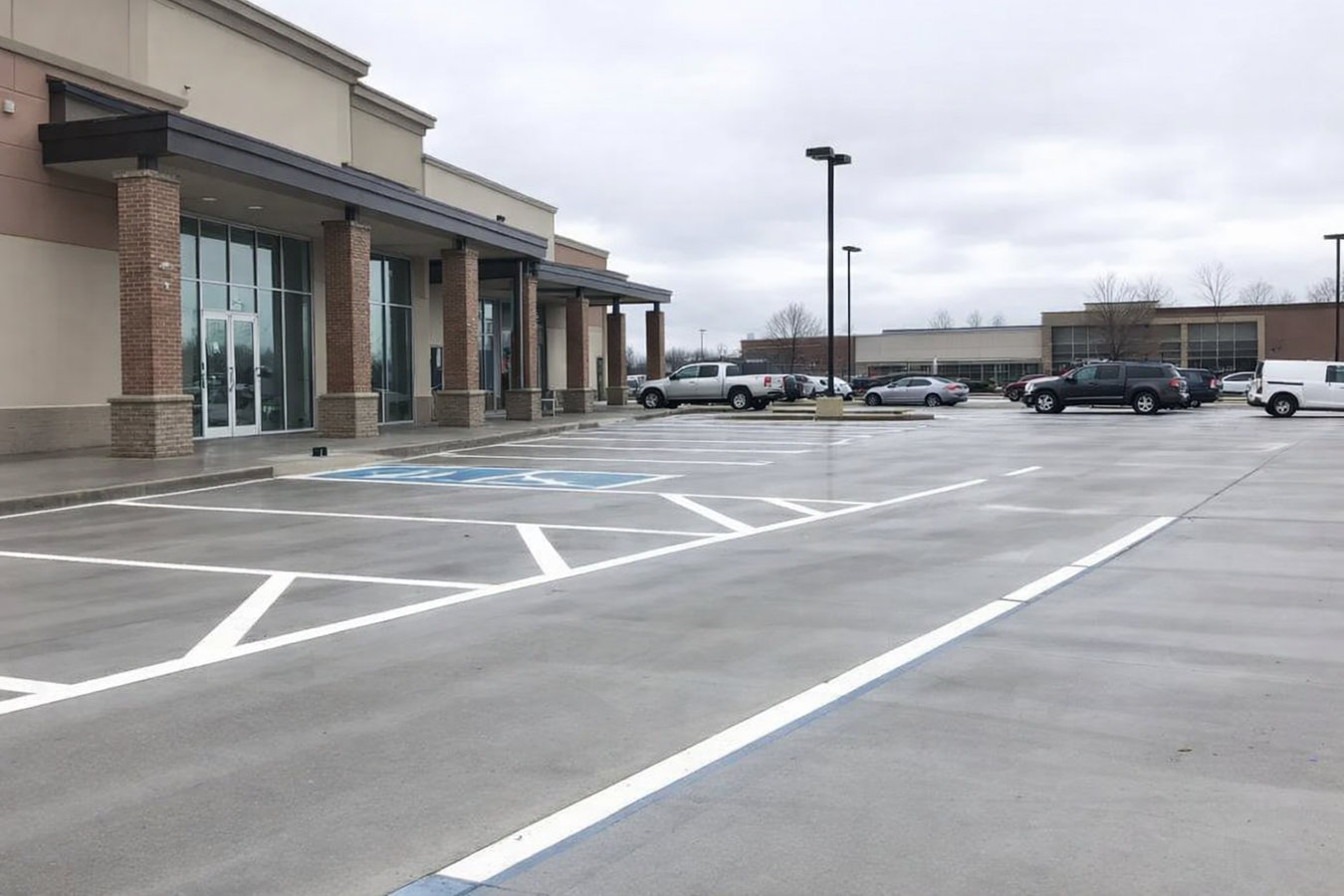
Concrete parking lot building in Rockledge involves removing the existing surface if there is one, compacting and grading the sandy Brevard County soil, setting forms, and pouring a reinforced slab sloped for drainage - most small to mid-size lots take three to seven active work days plus about a week of curing before vehicles can use the surface.
If your current parking area is washing out every rainy season or developing cracks that keep spreading, those problems almost always start underground. Sandy soil that was not properly compacted before the original pour will shift over time, and no amount of surface patching will fix it. Getting the ground preparation right from the start is the difference between a lot that lasts 30 years and one that needs constant attention.
Many property owners asking about parking lots are also interested in concrete footings if they are planning to add a structure nearby, such as a carport or covered parking area. Both projects benefit from the same soil assessment and can often be scheduled together.
Small surface cracks are normal on older pavement, but cracks wider than a quarter-inch or branching in multiple directions mean the surface is breaking down from underneath. In Rockledge's sandy soil conditions, this kind of cracking often signals that the ground has shifted or settled - patching alone will not fix it.
If standing water sits on your parking area for an hour or more after one of Rockledge's frequent afternoon thunderstorms, the surface is not draining properly. Pooling water accelerates surface damage, creates slip hazards, and works its way into cracks - a clear sign the lot needs to be regraded or replaced.
When you can see loose chunks of material breaking off at the edges of a parking area, or the surface feels rough and pitted underfoot, the top layer is deteriorating. This creates a trip hazard and gets worse quickly once it starts. A new concrete lot gives you a clean, safe surface that is far easier to maintain.
Gravel and packed-dirt parking areas in Rockledge wash out during heavy rain, leaving ruts and uneven spots that need constant regrading. If you are spending time and money every year trying to keep a gravel lot usable, converting to concrete eliminates that ongoing cost and gives you a surface that holds up through the rainy season without attention.
Every parking lot project starts with a site visit where we measure the area, assess drainage, and evaluate soil conditions before we quote anything. We handle the full scope - demolition of existing surfaces, soil compaction, forming, pouring, and permit coordination - so you have one point of contact from first call to final inspection. The concrete we pour is four to six inches thick for standard passenger vehicle loads, with proper control joints cut into the surface to guide any future cracking to predictable locations instead of random spots. For lots that need to handle delivery trucks or heavier vehicles, we increase thickness and reinforcement accordingly. If you are also planning a concrete driveway to connect to the lot, we can scope both together and coordinate the drainage design so the entire surface moves water in the right direction.
Drainage design is built into every project - the lot is graded with a one to two percent slope so rainwater runs off the surface and away from any buildings rather than pooling in the middle. In a place where Rockledge's summer storms can drop heavy rain in a short window, getting that drainage right from the start is what separates a lot that looks the same after ten rainy seasons from one that needs repair within the first few years. We also discuss sealing options before the project wraps up, since UV exposure and vehicle fluids both affect how long an unsealed concrete surface holds up in Florida's year-round sun.
Four to six inches thick with broom finish, control joints, and drainage slope - the right choice for passenger cars and light trucks.
Six to eight inches or more with additional reinforcement for lots that regularly handle delivery trucks, commercial vehicles, or heavy equipment.
For properties without an existing surface - full site prep, grading, and installation from bare ground to finished lot.
For properties where an old asphalt or crumbling concrete surface needs to come out before the new lot goes in.
Rockledge sits on sandy coastal soil that does not compact as firmly as clay-heavy ground found further inland. A parking lot poured on improperly prepared sandy soil will start cracking and settling within a few years, no matter how good the concrete mix was. That is why ground preparation is the most important part of every parking lot project we do here. The city also requires permits and inspections for most commercial concrete work, which adds lead time to the schedule but means the finished lot is fully documented and legal - an important detail if you ever sell the property or need to file an insurance claim. We handle the permit application ourselves, so you do not need to visit the building department.
Rockledge gets heavy afternoon thunderstorms almost every day from June through September, and that rainfall intensity makes drainage design non-negotiable. Every lot we build is sloped correctly from the start so water runs off rather than pooling and accelerating surface wear. Property owners in Merritt Island, FL and Cocoa, FL deal with the same soil and drainage conditions, and we serve both areas regularly.
We respond within one business day and schedule a site visit. We measure the area, check drainage and soil conditions, and give you a written estimate before any work begins - no guesses, no phone quotes.
We apply for the required City of Rockledge building permit on your behalf. Permit review typically takes one to several weeks - we build that into the project schedule so there are no surprises on start day.
The crew removes the existing surface if there is one, grades the soil for drainage, and compacts the base. In Rockledge's sandy conditions, we may bring in additional fill material to build a stable base - this step determines how long the finished lot holds up.
We pour and finish the slab, cut control joints, and coordinate the city inspection. Once the concrete has cured - about seven days for vehicle traffic - we walk you through the finished lot, explain the control joints, and discuss a sealing schedule.
We visit the site, assess the soil and drainage, and give you a written estimate - no pressure, no phone guesses.
(321) 358-0086We handle the City of Rockledge permit application on every project and coordinate all required inspections. Your finished lot is fully documented so there are no surprises if you ever sell or refinance the property.
Sandy coastal soil is common throughout this part of Florida, and a lot that was not prepared correctly for local conditions will crack and settle within a few years. We assess the soil at your specific site before we pour a single yard of concrete.
Every lot we build is sloped one to two percent so rainwater runs off the surface and away from buildings. The American Concrete Pavement Association recommends this minimum grade for any paved surface in a high-rainfall climate - and Rockledge qualifies.
Florida requires concrete contractors to hold a state license issued by the Department of Business and Professional Regulation. You can verify any contractor's license at myfloridalicense.com before you sign anything - we encourage it.
When you combine proper permitting, soil-matched ground prep, and drainage design built for Florida's rainfall, you get a parking lot that holds up for decades instead of just a few seasons. That is what we build on every project in Rockledge and across Brevard County.
External reference: American Concrete Pavement Association - industry standards for concrete pavement design and drainage.
If your parking lot project includes a covered structure or carport, properly engineered footings are the first step.
Learn MoreConnect your parking area to the street with a reinforced concrete driveway graded for Brevard County's sandy soil.
Learn MorePermit season fills up fast - call now to lock in your project start date before the summer rainy season hits.